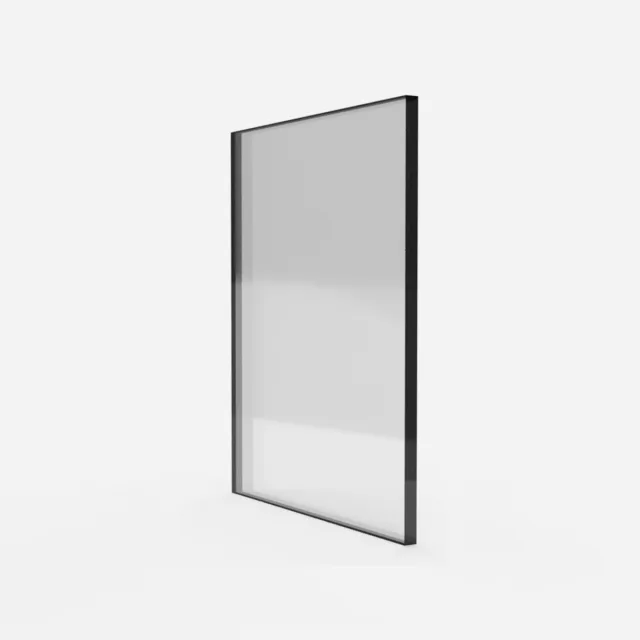
Low-emission glass
Low-emission glass (sun control glass) is actually a standard flat glass with a selective coat, which is a layer that has high absorption to solar radiation (around 90-95%) and at the same time low emission of infrared radiation* (around 5-10%).
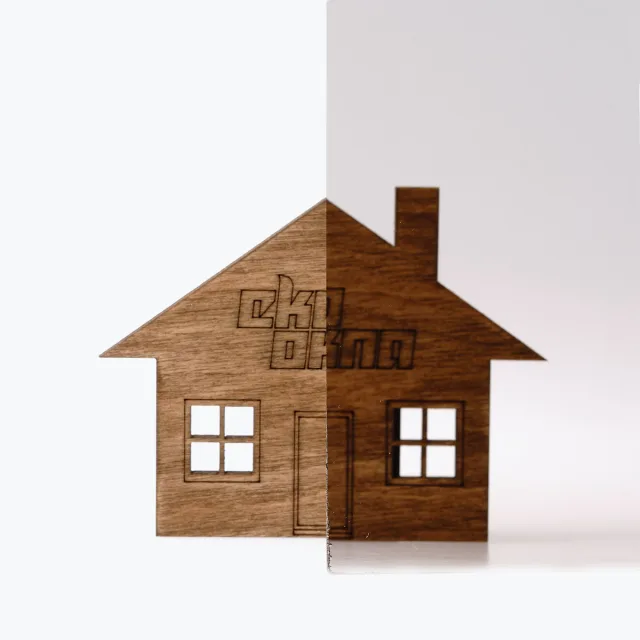
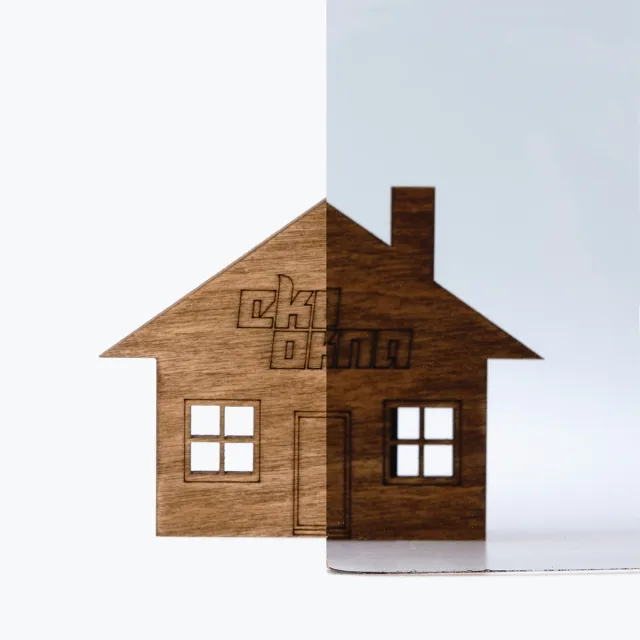
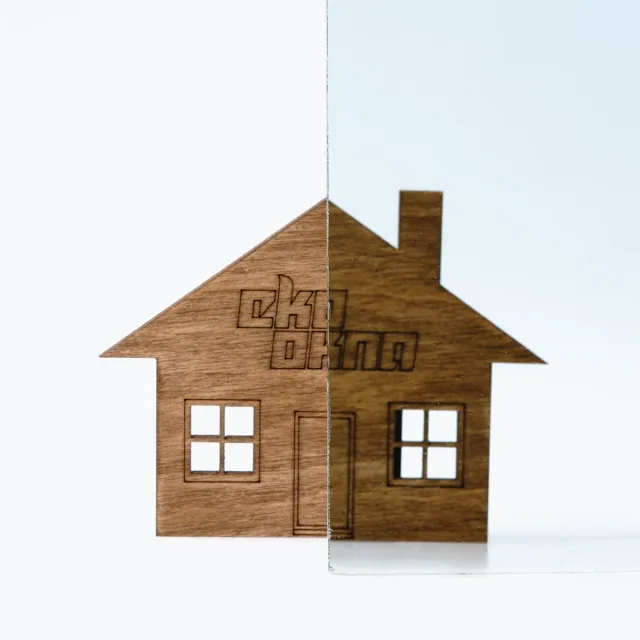
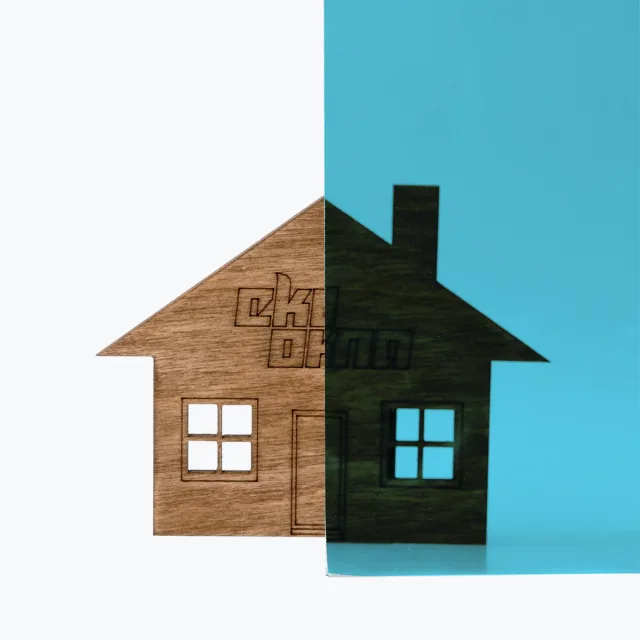
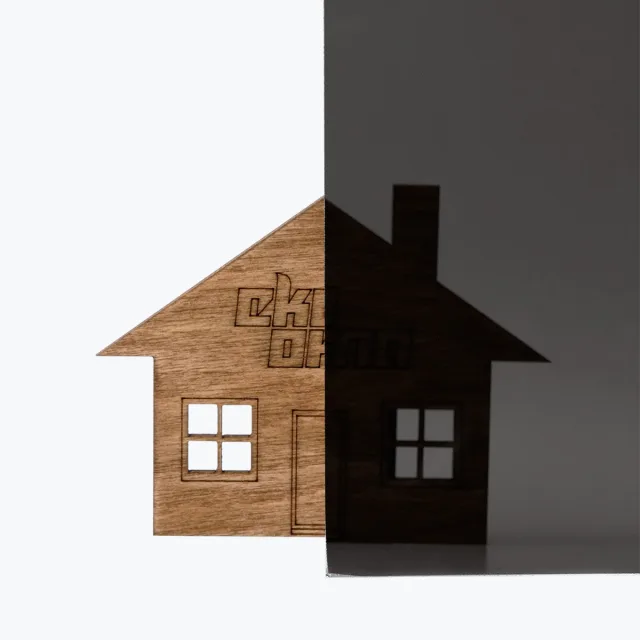
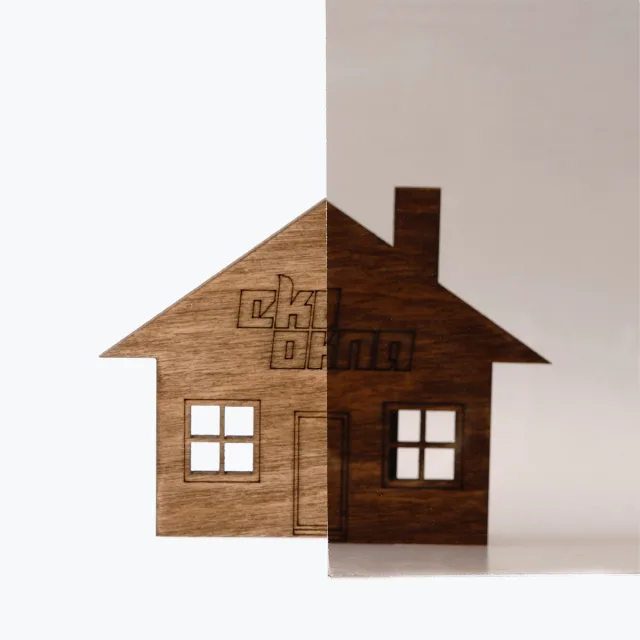
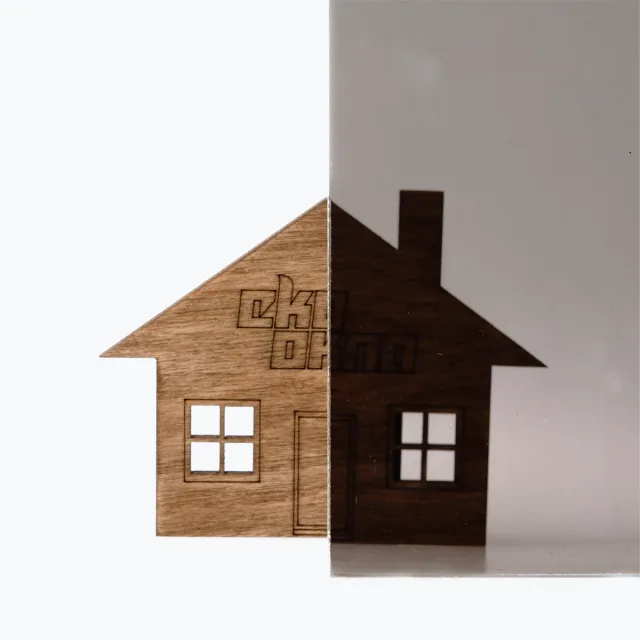
The absorption layer can be done basing on titanium and silicon oxide. So it is not a special type of glass besides the fact that it is covered with a selective layer for waves of different lengths (transmitting visible light and thermal radiation, coming from the sun and reflecting the long-wave radiation generated inside the house).
The effect of low-emission glass operation is reflecting the long-wave thermal radiation (emitted by the heating equipment, lighting and building users) back to the building. Yet the transparent coating still allows the short-wave solar radiation. This energy is absorbed by the internal surface of the building, and afterwards radiated to the buildings in the form of long-wave radiation, which in turn is reflected back inside by the layer when it tries to get out of the building. It is very important that the selective layer (coat) remains clean and dry, and therefore, is always turned into the direction of the inside-glass gap in insulated glass or in the direction of the second glass in traditional two-sash windows.
Examples of use:➜ windows – both in modernized and newly designed buildings, big-surface windows ➜ facades – when the designer want to achieve low values of the Ug coefficient
Lt % - how bright the glass is and how much light will get inside the roomSolar factor (g) – how much solar energy (warmth) gets inside our house (in winter - the more, the better) Ug value - Wm2/K - how much warmth escapes from our home through the glass - how much the glass isolates - the smaller the "Ug" value the better.